DV Hardware bringing you the hottest news about processors, graphics cards, Intel, AMD, NVIDIA, ATi, hardware and technology!

   Home | News submit | News Archives | Reviews | Articles | Howto's | Advertise
 
DarkVision Hardware - Daily tech news
  Login/sign up  


Main Menu

Home
User account
Info
News archives
Links
Articles
Howto
Reviews
Member list
 

Who's Online
There are currently 149 people and 0 DV-member(s) online.


Latest Reviews
  • Enermax Aeolus Premium CP003
  • Altego Clear Laptop Sleeve
  • Lian Li PC-V354
  • Arctic Cooling K381 keyboard
  • Arctic Power Charger Plus
  • ATP PhotoFinder Mini
  • BitFenix Colossus
  • Roccat Taito Kingsize mTw Edition mousepad
  •  

    RSS
    RSS
     

    Symantec: Two-thirds of web surfers fall victim to cybercrime

    Posted on Wednesday, September 08 2010 @ 16:02:37 CEST by Thomas De Maesschalck


    Symantec's latest Norton Cybercrime Report claims two-thirds of Internet users globally have been victims of online crime. With 51 percent viruses and malware are the most common types of online attacks, followed by 10 percent hit by online scams, 9 percent by phishing and 7 percent each for online credit card fraud, sexual predation and social network profile hacking. Resolving an online crime takes an average of 28 days and costs on average $334, and one-third of respondents said they never fully resolved the matter.
    The top countries as far as reported victims are China, Brazil and India tied for second, and then the U.S., according to the findings of the study, titled "Norton Cybercrime Report: The Human Impact." More than 7,000 adults in 14 countries were interviewed for the study.

    While one-quarter of respondents said they expect to be victimized by online crime, only half said they would change their behavior if they became a victim. Of those who have been victimized, 44 percent reported the crime to the police.
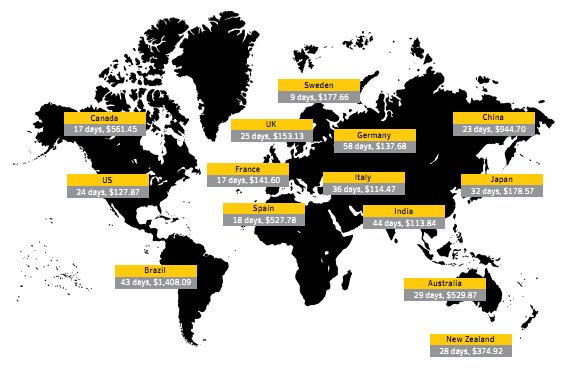
    The graph below shows the average amount of time spent to resolve an online crime and the average cost. Oddly enough, users in the US seem to lose relatively little money, while Brazilian and Chinese victims tend to lose much more significant sums to cybercrooks.


    More info at CNET.


    Threshold
      
    The comments are owned by the poster. We aren't responsible for their content.
     

    DV Hardware - Privacy statement
    All logos and trademarks are property of their respective owner.
    The comments are property of their posters, all the rest © 2002-2012 DM Media Group bvba