Cosmologists may have found evidence of pre-Big Bang activity
 Posted on
by Thomas De Maesschalck
Posted on
by Thomas De Maesschalck 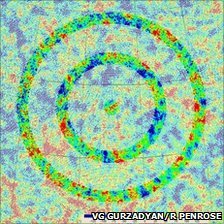
"In the standard Big Bang model, there's nothing cyclic; it has a beginning and it has no end.
"The philosophical question that's sensible to ask is 'what came before the Big Bang?'; and what they're striving for here is to do away with that 'there's nothing before' answer by making it cyclical."
Professor Cole said he was surprised that the statistical variation in the microwave background data was the most obvious signature of what could be such a revolutionary idea, however. More information can be read at BBC News.

Comments (0)
No comments yet.