A brief look at the importance of L1 and L2 CPU cache
 Posted on
by Thomas De Maesschalck
Ever wondered how L1 and L2 caches work and why they're an essential part of modern processors? ExtremeTech has a nice primer over here.
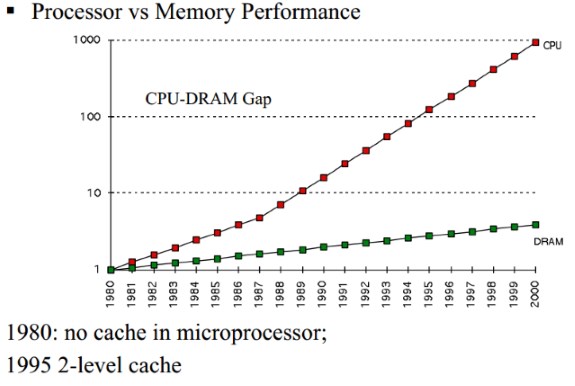
Caching was invented to solve a significant problem. In the early decades of computing, main memory was extremely slow and incredibly expensive — but CPUs weren’t particularly fast, either. Starting in the 1980s, the gap began to widen quickly. Microprocessor clock speeds took off, but memory access times improved far less dramatically. As this gap grew, it became increasingly clear that a new type of fast memory was needed to bridge the gap.

Comments (0)
No comments yet.